Search
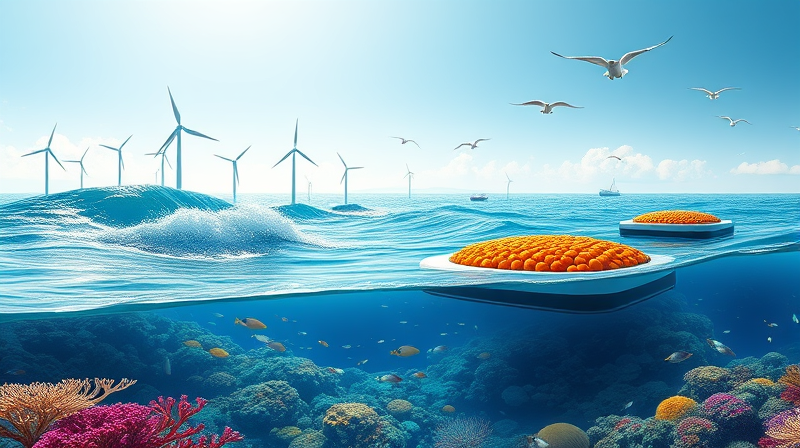
The vast oceans that cover our planet are not just sources of wonder, but powerful engines of economic growth. For too long, humanity has viewed the sea through a lens of extraction, often leading to depletion and degradation.
Today, a new narrative is emerging, one that champions a sustainable and regenerative approach to ocean resources. This paradigm shift promises to transform how we live, work, and invest in harmony with marine ecosystems.
The blue economy, as it is called, represents a profound opportunity for global prosperity while safeguarding the health of our oceans. It is a call to action for investors, policymakers, and communities alike to embrace a future where economic value and ecological integrity coexist.
The blue economy refers to the sustainable use, restoration, and stewardship of ocean and coastal resources. It aims to generate economic value while preserving ecosystem integrity, shifting away from exploitative practices.
Although no universal definition exists, the core vision is clear: a regenerative model that drives sustainable growth, creates jobs, and restores ecosystems. This approach emphasizes long-term strategies over short-term gains.
It encompasses a wide range of economic activities related to oceans, seas, and coasts. The goal is to balance resource utilization with environmental health.
The global ocean economy is already a massive force, valued at $2.6 trillion in 2020. This figure has doubled since 1995, showcasing rapid expansion.
Projections indicate it could quadruple by 2050, reaching unprecedented heights. This growth is fueled by increasing demand for ocean-based goods and services.
In 2023, ocean-related exports totaled $2.2 trillion, with services accounting for 59%. This represents a 2.5-fold increase since 1995, outpacing global economic growth.
The United States marine economy contributed $511 billion to GDP in 2023, reflecting a 1.8% share. Similarly, the EU blue economy saw €890 billion in turnover in 2022.
Several sectors are at the forefront of the blue economy, each offering unique investment potential. These areas are critical for sustainable development.
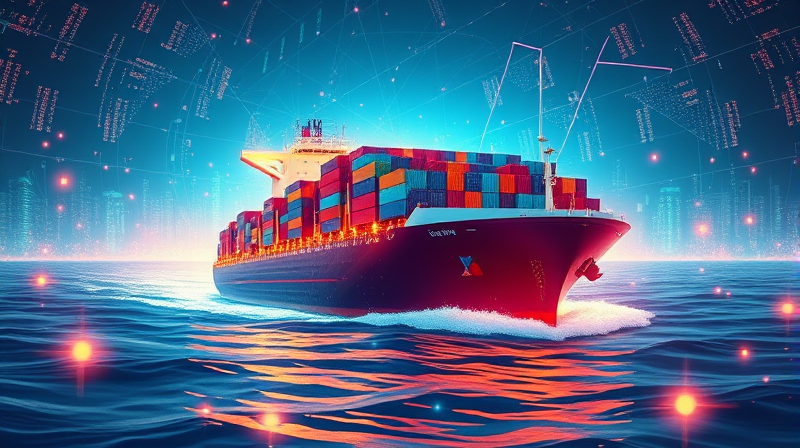
Tourism dominates with a 33% share of ocean exports, particularly vital for island nations. Shipping and maritime transport account for 22%, showing significant growth.
High-tech manufacturing, including biotech and clean energy, represents 16% of ocean trade. Offshore wind energy has experienced explosive growth, with a 1049% increase in the EU.
The blue economy supports over 600 million people worldwide, providing livelihoods and economic stability. Fisheries and aquaculture alone sustain 260 million jobs.
This employment spans from unskilled labor in fishing to skilled roles in engineering and research. It underscores the social importance of sustainable ocean management.
Investing in the blue economy offers a high-potential frontier for financial returns and environmental impact. The transition to a sustainable ocean economy could yield net benefits of $8.2 to $22.8 trillion by 2050.
The median annual investment potential across six key sectors is estimated at $550 billion to 2030. This represents a significant opportunity for early movers.
Such investments not only drive economic growth but also enhance social well-being and environmental resilience. They require bankable projects and collaborative efforts.
Despite its promise, the blue economy faces several challenges that must be navigated. Environmental threats, such as plastic waste and climate change, pose significant risks.
Growth often depletes resources and harms ecosystems if not managed sustainably. Overcoming these obstacles requires sound governance and innovation.
To capitalize on blue growth opportunities, stakeholders can take actionable steps. These measures help build a resilient and profitable ocean economy.
By adopting these strategies, investors can drive positive change while achieving financial success. The blue economy is not just about profits but about creating a legacy of stewardship.
The blue economy represents a pivotal shift towards a sustainable future. It blends economic ambition with ecological responsibility.
With immense growth potential and transformative benefits, it invites us all to participate. Embracing this model can lead to a world where oceans thrive and communities prosper.
Now is the time to invest in the blue economy. Together, we can unlock a future of resilience and abundance.
References