Search
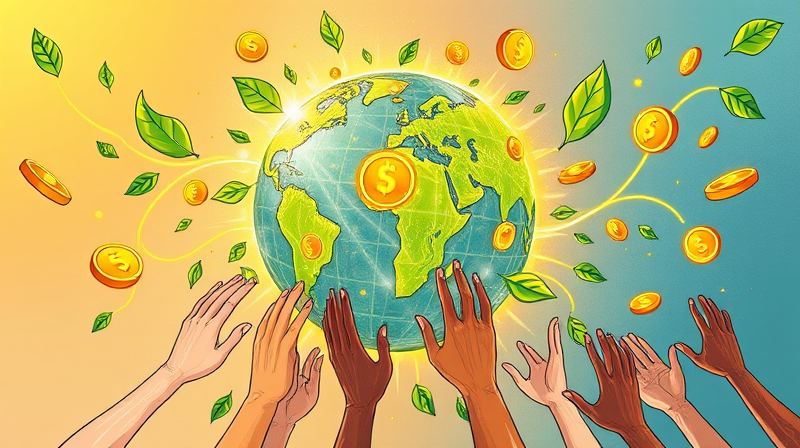
In a world where financial profit and social purpose often seem at odds, a powerful movement is redefining success. Impact investing bridges this gap elegantly, offering a way to achieve both meaningful change and competitive returns.
This approach involves investments made intentionally to generate positive, measurable social or environmental impact alongside financial gains. It moves beyond traditional models, creating a new paradigm where capital serves a dual purpose.
By embracing impact investing, you can actively contribute to solving global challenges while securing your financial future. This article will guide you through its essence, from core principles to actionable steps, inspiring you to join this growing force for good.
Impact investing is defined by its commitment to measurable outcomes. Unlike philanthropy, which prioritizes impact without expecting returns, or conventional ESG investing that focuses on risk mitigation, impact investing seeks intentional, dual benefits.
The key characteristics that set it apart include:
These elements ensure that impact investing is not passive but a dynamic force for creation, aiming to benefit stakeholders and communities directly.
Historically, the term gained popularity after 2007, with frameworks like the G8 Social Investment Taskforce's spectrum model emerging in 2014, helping to standardize practices globally.
Impact investing is not one-size-fits-all; it spans a range of approaches based on investor priorities. Understanding this spectrum helps you align your values with your financial goals.
Common strategies include:
Themes addressed are diverse, such as climate action, health equity, financial inclusion, and affordable housing. Investors' motivations vary from foundations growing endowments to individuals seeking values-aligned opportunities.
To visualize this continuum, consider the following table based on the Spectrum of Capital model:
This framework empowers you to navigate your investment choices and find your place on the spectrum, whether you're starting out or scaling up.
Embarking on an impact investing journey requires a structured, thoughtful process. Follow these steps to turn intention into action.
Impact measurement is critical here. Best practices involve:
These steps help you build a robust impact portfolio that delivers on both fronts, fostering trust and scalability.
The impact investing ecosystem thrives on collaboration among diverse actors. Impact investors deploy capital with dual goals, ranging from individuals to large institutions.
Impact investees are mission-driven entities, often for-profit, nonprofit, or hybrid models, with market-based revenue strategies. Examples include social enterprises, affordable housing projects, and clean energy startups.
All investments affect society, but impact investing intentionally targets measured positive effects. This requires clear deal structures, such as debt with impact covenants or equity with governance rights, to ensure alignment and accountability.
Networks like GIIN, UNPRI, and the Impact Management Project provide frameworks and resources, supporting interoperability and growth in the field.
Impact investing represents a significant and expanding opportunity, challenging the traditional split between market investments for returns and philanthropy for impact. It enables foundations to generate returns that fund grants while growing endowments, creating sustainable funding cycles.
The market is growing rapidly, with increasing allocations from limited partners and institutions. This shift reflects a broader demand for investments that contribute to social good without sacrificing financial performance.
Emerging trends for 2026 and beyond are shaping the future of impact investing:
These trends indicate a bright and evolving landscape, where innovation and economics converge to amplify positive outcomes globally.
If you're inspired to begin, here are actionable steps to integrate impact investing into your strategy.
Remember, impact investing is about progress, not perfection. Every step you take contributes to a more sustainable and equitable world.
Impact investing empowers you to be part of a global movement that redefines what it means to succeed. By intentionally pursuing positive change, you can achieve financial returns while addressing pressing social and environmental issues.
This approach offers a practical and inspiring way to leverage your resources for good. Whether you're an individual investor or an institution, the time to act is now, as demand grows and innovations emerge.
Join the growing number of people who are doing good while doing well. Your investments have the power to shape a more sustainable and equitable future for all, creating legacy and impact that lasts.
References