Search
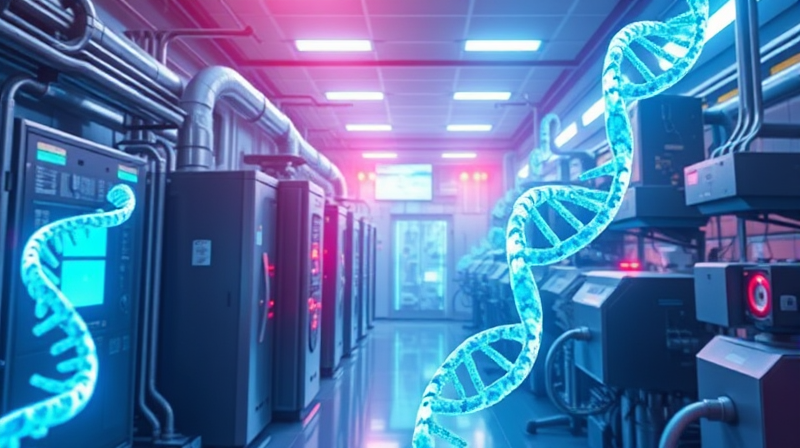
Imagine a world where microscopic organisms are engineered to produce fuels, clean up pollutants, and manufacture life-saving drugs. This is not science fiction; it's the reality of synthetic biology, a field that is redefining industrial possibilities.
By applying engineering principles to biology, scientists are crafting biological systems with unprecedented precision and predictability, paving the way for a sustainable future. This article explores how synthetic biology is driving industrial revolutions, offering practical insights and inspiration for innovators and entrepreneurs alike.
The journey begins with a simple yet profound idea: life can be programmed. From reducing carbon footprints to creating eco-friendly materials, the potential is limitless. As we delve into the core principles and applications, you'll discover how this technology is not just changing industries but also addressing global challenges.
Synthetic biology merges biology with engineering to design and construct new biological parts, devices, and systems. At its heart are principles like modularity, standardization, and characterization, which enable reliable and scalable designs.
This approach allows for the creation of organisms with capabilities beyond natural evolution. The Design-Build-Test-Learn (DBTL) cycle is fundamental, accelerated by technologies such as biofoundries and artificial intelligence.
These principles ensure that synthetic biology projects are efficient and reproducible, much like assembling electronic circuits. By leveraging high-throughput automation, researchers can iterate designs rapidly, minimizing errors and maximizing innovation.
Industrial biotechnology (IB) emerged in the 1970s, using enzymes and microorganisms for products like detergents and bioenergy. It laid the groundwork for today's advances, with enzymes alone accounting for a significant share of the market.
Synthetic biology, born in the 21st century, builds on this foundation by enabling novel metabolic pathways and genetic circuits. It has been recognized in strategies like the UK Bioeconomy Strategy as a driver for sustainable growth.
This evolution marks a shift from relying on fossil fuels to embracing bio-based feedstocks, driven by consumer demand and environmental urgency. The integration of synthetic biology into IB is creating a robust framework for circular economy initiatives.
Advancements in DNA synthesis and gene editing are at the forefront of synthetic biology. Tools like CRISPR allow precise modifications, while automation streamlines processes from colony picking to assays.
Biofoundries, such as those operated by Ginkgo Bioworks, embody the high-throughput design and testing capabilities that define modern synthetic biology. These facilities use robotics and AI to accelerate the DBTL cycle.
Host organisms, from bacteria to yeast, are engineered to produce a wide range of products, including insulin and biofuels. Progress includes synthetic yeast chromosomes and mammalian toolboxes, expanding the scope of applications.
Synthetic biology is revolutionizing sectors by engineering metabolic pathways for sustainable products. The table below highlights key applications and their outcomes.
These applications demonstrate how synthetic biology is shifting industries toward eco-friendly and efficient solutions. For instance, Colorifix's microbes drastically cut water and dye waste, showcasing environmental benefits.
The synthetic biology sector has attracted over $12 billion in private investment, fueling rapid growth in startups and SMEs. Companies like Ginkgo Bioworks and Amyris are pioneers, translating research into market-ready products.
Training programs, such as SynbiCITE's MBA courses, are cultivating expertise to bridge the gap between lab and industry. However, challenges remain, including capital for scale-up and shifting from thermo-chemical processes.
Opportunities abound in utilizing waste streams and developing low-carbon alternatives. The economic landscape is evolving, with policy support and investor confidence driving mainstream adoption.
Technical hurdles include controlling intracellular environments and ensuring modularity across different organisms. Economic challenges involve long lead times for chemical applications compared to healthcare.
Future directions point toward integration with AI and data science, expanding standards, and mainstreaming biotechnology for sustainability. Synthetic biology is poised to impact medicine, agriculture, and marine environments.
The broader impacts are profound, from reducing animal testing with advanced toolboxes to creating jobs in green industries. As synthetic biology matures, it promises a future where biological engineering drives global sustainability, inspiring a new generation of scientists and entrepreneurs to harness life's potential for good.
References