Search
The digital age has unleashed a deluge of data, yet much of it remains siloed and incomprehensible to machines.
Imagine a world where computers could understand information as humans do, transforming raw data into actionable insights effortlessly.
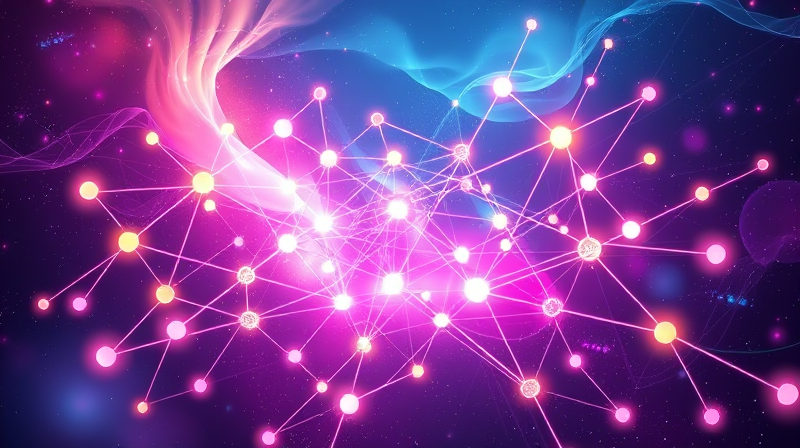
This is the promise of the Semantic Web, a visionary evolution of the internet that empowers machines to interpret and connect information seamlessly.
It moves beyond simple document linking to a web of data, where every piece of knowledge is interwoven and machine-readable.
Led by Tim Berners-Lee, this initiative aims to create a smarter, more intuitive web that serves as a global knowledge grid.
In this article, we delve into the technologies, benefits, and practical applications that make the Semantic Web a cornerstone of modern innovation.
At its heart, the Semantic Web is an extension of the World Wide Web designed to add machine-interpretable metadata to data.
This enables computers to comprehend, process, and reason about information in ways that mimic human intelligence.
It evolves from Web 1.0's linked pages and Web 2.0's linked applications to Web 3.0's linked data.
The goal is to build interconnected knowledge graphs that facilitate data integration and sharing across various domains.
This vision transforms isolated bits of information into a cohesive, navigable network of resources.
It empowers automated agents to perform complex tasks on behalf of users, enhancing efficiency and discovery.
The Semantic Web relies on robust W3C standards to achieve its objectives.
These technologies form the backbone for creating machine-readable and interpretable data.
Together, these tools enable metadata linking content to context, forming a rich tapestry of interconnected information.
This table summarizes the core technologies and their roles:
The concept originated from Tim Berners-Lee's 2001 vision to enrich the web with machine-readable metadata.
It is a key component of Web 3.0, integrating with emerging technologies like AI, IoT, and blockchain.
Today, it has fractured into specialized uses, such as SEO and knowledge management, rather than forming a single global web.
This evolution reflects ongoing efforts to blend physical and digital realms for immersive experiences.
Understanding this history helps appreciate the incremental progress towards a more intelligent internet.
The Semantic Web offers immense value by making data meaningful and interoperable.
It transforms how organizations and individuals leverage information for better outcomes.
Quantifiable impacts include vast data quantities becoming machine-ready and faster global knowledge access.
This leads to more precise decisions and intelligent databases that drive competitive advantages.
The Semantic Web is not just theoretical; it has practical uses across various sectors.
These applications demonstrate how it can solve real-world problems and improve efficiencies.
Examples include global enterprises using it for social software and knowledge transmission, connecting online communities effectively.
These use cases showcase the transformative potential of semantic technologies in everyday scenarios.
Despite its promise, the Semantic Web faces several hurdles that need addressing.
Understanding these challenges is key to fostering broader adoption and success.
Overcoming these limitations involves investing in education and tools to simplify ontology development.
By tackling these issues, we can move closer to a more integrated and intelligent web.
The future of the Semantic Web is bright, with ongoing integration into cutting-edge technologies.
It is poised to play a pivotal role in the next wave of digital innovation.
Sources emphasize building towards AI, seamless data reuse, and competitive advantages in a data-driven world.
This outlook highlights the Semantic Web's potential to revolutionize how we interact with information.
As we advance, it will continue to empower smarter, more connected digital ecosystems.
Embrace these technologies to unlock new possibilities and stay ahead in an increasingly data-centric environment.
References