Search
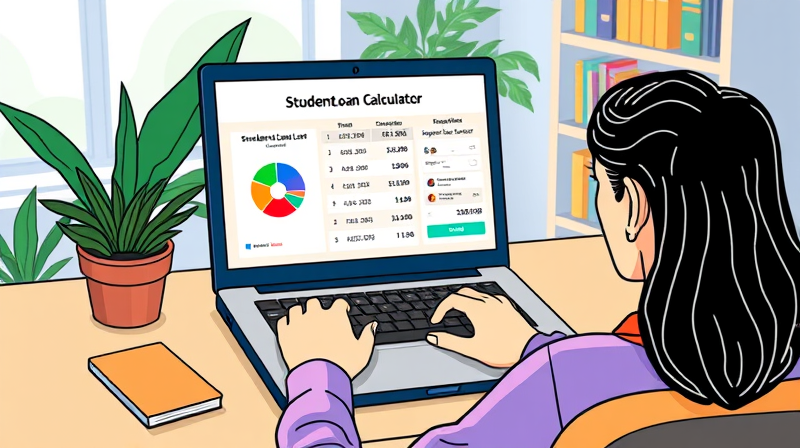
Student loan debt can feel like a heavy burden, but with the right tools, you can transform anxiety into action.
Customizable student loan calculators are powerful resources that bring clarity to your financial journey.
By inputting your personal details, you can estimate monthly payments and see a clear path forward.
These tools help you compare repayment plans, simulate scenarios, and plan for forgiveness options.
Empower yourself with data-driven insights to make informed decisions about your debt.
Customizable calculators simplify the complex world of student loan repayment.
They allow you to visualize total interest costs and payoff timelines with ease.
This helps in reducing stress and building a strategic approach to debt management.
You can explore different outcomes based on your unique financial situation.
Here are some key benefits of using these calculators:
Federal and private student loans offer various repayment plans, each with its own rules.
Customizable calculators help you navigate this landscape by providing detailed estimates.
Below is a table summarizing major repayment plans and their key features.
This table helps you quickly assess which plan aligns with your financial goals.
Use calculators to input your data and see personalized results for each option.
To get the most out of customizable calculators, gather essential information beforehand.
Accurate inputs ensure that the simulations reflect your real-world circumstances.
Here are the critical data points you should have ready:
Inputting multiple loans separately can provide a more comprehensive view.
This allows you to simulate consolidation and understand its effects on your repayment.
Federal student loans often come with more flexible repayment options than private loans.
Calculators tailored for federal loans emphasize Income-Driven Repayment (IDR) plans.
These plans base payments on your income and family size, offering potential forgiveness after 20-25 years.
For private loans, calculators focus on refinancing to secure lower interest rates.
Here are some tools to consider:
Using these tools helps you weigh the pros and cons of each loan type.
While customizable calculators are powerful, they have limitations that require caution.
They cannot predict future income changes or legal shifts, such as updates to the SAVE Plan.
Always verify results with your loan servicer to ensure accuracy.
Common assumptions that might affect calculations include:
Stay informed about 2025 updates to poverty lines and repayment assistance programs.
This helps in adjusting your plans as new information becomes available.
After running simulations, use the insights to develop a concrete repayment strategy.
Calculators can tag the best plans, such as those with the lowest total payment or fastest payoff.
Here are actionable steps to follow:
Implementing these strategies can lead to significant savings and a debt-free future.
Regularly revisit calculators as your financial situation evolves.
Customizable student loan calculators are more than just tools; they are partners in your financial wellness.
They demystify repayment and provide a roadmap to freedom from debt.
By leveraging these resources, you can make confident decisions that align with your life goals.
Start today by gathering your loan details and exploring available calculators.
Embrace the power of data to transform your student loan experience into a success story.
References