Search
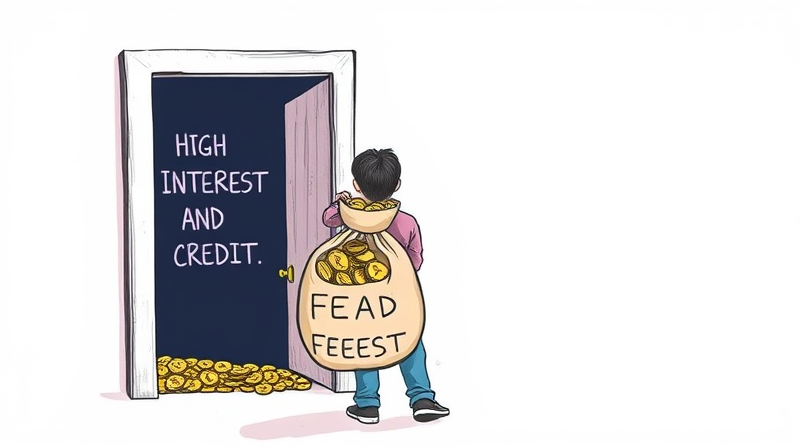
When we think of bad credit, high interest rates might come to mind, but the true cost runs much deeper, silently draining your finances in ways you never expected.
Bad credit isn't just a number on a report; it's a pervasive force that can skyrocket borrowing costs and limit opportunities, affecting every aspect of your life from home ownership to job prospects.
Understanding these hidden expenses is the first step toward reclaiming your financial freedom and avoiding predatory traps that exploit vulnerability.
One of the most direct impacts of bad credit is on interest rates across various loans.
For auto loans, borrowers with poor credit can pay nearly $3,000 more in interest on a $10,000 car compared to those with good scores.
This penalty extends to credit cards, where missed payments can trigger penalty APRs over 29%, making debt harder to manage.
Over time, these higher rates compound, significantly reducing your ability to save and invest.
By maintaining good credit, you can save thousands on interest throughout your life, freeing up money for other goals.
Bad credit doesn't stop at loans; it inflates insurance premiums and required deposits, adding to monthly expenses.
Homeowners with low credit scores pay approximately $1,996 more annually for insurance, a staggering 99% increase.
Many Americans are unaware that car insurance prices and utility deposit costs also rise with poor credit, highlighting a knowledge gap.
These hidden fees can strain budgets, making it crucial to monitor and improve your credit score.
Your credit score can influence more than just finances; it can block access to jobs and housing, creating social and economic hurdles.
One in ten unemployed people face job denials due to poor credit, limiting income and career growth.
Landlords frequently check credit during rental applications, with low scores leading to higher deposits or rejection.
This creates a cycle where bad credit restricts housing options, further impacting financial stability.
Addressing credit issues can open doors to better employment and living situations, enhancing overall well-being.
When conventional credit is inaccessible, many turn to predatory lenders, who offer quick cash at exorbitant costs.
Products like payday loans and auto title loans feature interest rates as high as 662%, with hidden fees that trap borrowers in debt.
These alternatives often include balloon payments and equity stripping, making it difficult to escape financial hardship.
Avoiding these traps requires building credit to access safer, more affordable lending options.
Beyond interest, bad credit involves multiple fee categories that add up quickly, from late payments to balance transfers.
Credit monitoring apps, while helpful, can have hidden costs, such as monthly fees for accurate scores or data sharing practices.
It's essential to be aware of these charges to manage finances effectively and protect your personal information.
Monitoring your credit actively can help you spot and avoid unnecessary fees, saving money in the long run.
The cumulative effect of bad credit can cost you thousands over a lifetime, but with proactive steps, you can turn things around.
Payment history is the biggest factor in credit scores, so making timely payments is crucial for improvement.
By focusing on key areas, you can rebuild credit and reduce financial stress, paving the way for a secure future.
To improve your credit, start with simple, actionable steps that build positive habits.
By taking control, you can unlock savings and opportunities, transforming your financial landscape for the better.
References