Logo
Home
>
Credit Solutions
>
Personal Loan vs. Credit Card: Which for Your Goals?

Personal Loan vs. Credit Card: Which for Your Goals?

01/28/2026
Matheus Moraes
Personal Loan vs. Credit Card: Which for Your Goals?

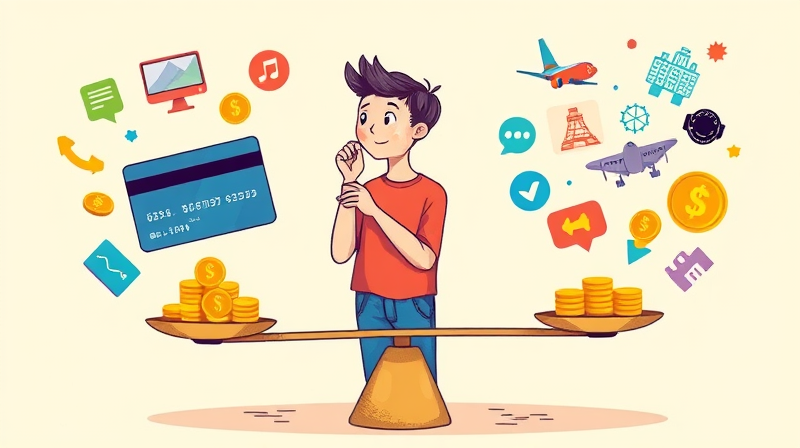
Navigating the world of credit can feel overwhelming, but choosing the right tool is crucial for achieving your financial dreams.

Whether you're planning a big purchase or managing daily expenses, understanding the nuances between a personal loan and a credit card can empower you to make smarter decisions.

This article will guide you through the key differences, helping you align your choice with your long-term objectives.

Understanding the Basics: Loans and Cards Explained

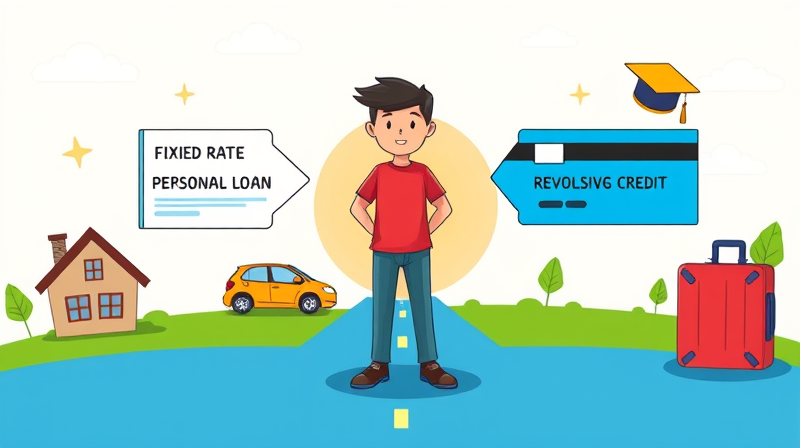
A personal loan is a type of installment loan where you receive a fixed amount upfront.

You repay it with fixed monthly payments over a predetermined period, which can range from months to several years.

Credit cards, on the other hand, provide a revolving line of credit.

This means you can borrow up to your limit, pay it back, and borrow again, offering greater flexibility for ongoing needs.

Core Comparison: Personal Loan vs. Credit Card

To make an informed choice, it's essential to compare their features side by side.

Pros and Cons: Weighing Your Options

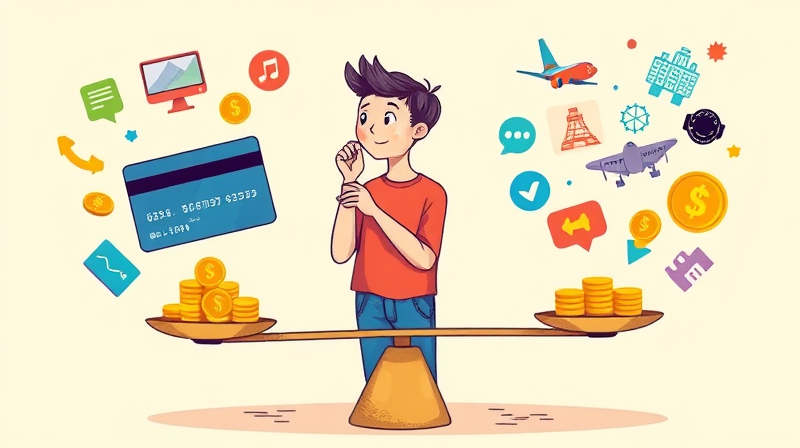
Each financial tool has its advantages and drawbacks, which can influence your decision based on your situation.

Personal Loan Pros

  • Lower fixed rates than cards, especially with good credit, saving on interest long-term.
  • Predictable payments that aid in effective budgeting.
  • Higher limits for big expenses, with fast funding possible.
  • Less temptation to overspend, promoting financial discipline.

Personal Loan Cons

  • Fixed amount with no redraw, limiting flexibility.
  • High rates for poor credit, which can be costly.
  • Fees like origination, and hard to adjust payments once set.
  • Some lenders charge early payoff fees, adding to costs.

Credit Card Pros

  • Flexibility to borrow, pay, and repeat as needed.
  • 0% intro APRs for purchases or balance transfers, offering short-term savings.
  • Rewards such as cash back, points, or miles on spending.
  • Builds credit with on-time payments and low utilization.

Credit Card Cons

  • Higher variable rates, with interest accruing quickly on balances.
  • Minimum payments can prolong debt, leading to increased costs.
  • Fees add up, and there's a risk of overspending.
  • Hurts credit if maxed out or payments are missed.

When to Use Each: Matching Tools to Your Goals

Your financial objectives should drive your choice between a personal loan and a credit card.

Here are common scenarios to consider.

  • Debt Consolidation: Use a personal loan for lower rates and a single fixed payment.
  • Large Purchases (e.g., home repair, wedding): Opt for a loan to manage costs predictably.
  • Everyday or Short-Term Needs: A credit card is ideal if paid in full to avoid interest.
  • Emergencies: A loan provides a lump sum, while a card offers quick access.
  • Building Credit: Both can help, but cards are good for utilization, loans for credit mix.

To decide, ask yourself key questions.

  • Will you pay the balance in full each month? If yes, a credit card might work.
  • Do you need structured payments over time? A personal loan could be better.
  • Is your credit good? This can secure better rates on both, but loans often win long-term.

Understanding Costs and Potential Savings

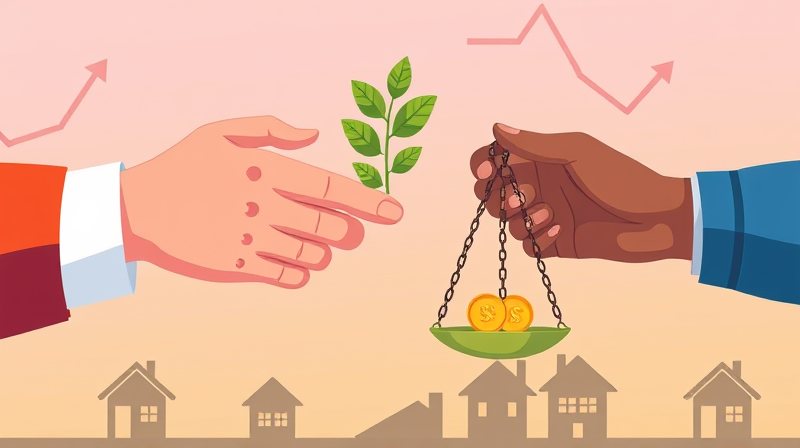
Interest rates play a crucial role in determining the total cost of borrowing.

For personal loans, rates range from 6% to 36%, with averages around 8%-13% for those with good credit.

Credit cards typically have variable APRs averaging 24.72%, often between 18% and 25% or higher.

This difference can lead to significant savings over time.

For example, consolidating $10,000 of credit card debt at 20% interest into a personal loan at 10% could save thousands in interest.

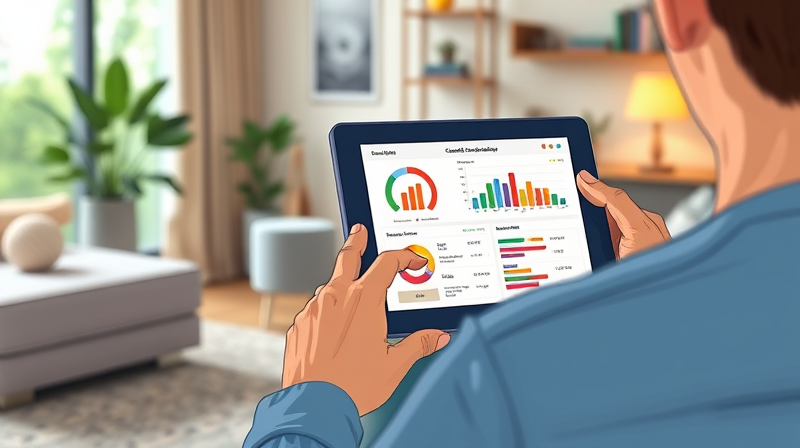
Using online calculators can help visualize these savings and make informed decisions.

Qualification Factors and Practical Tips

To qualify for the best options, focus on key factors.

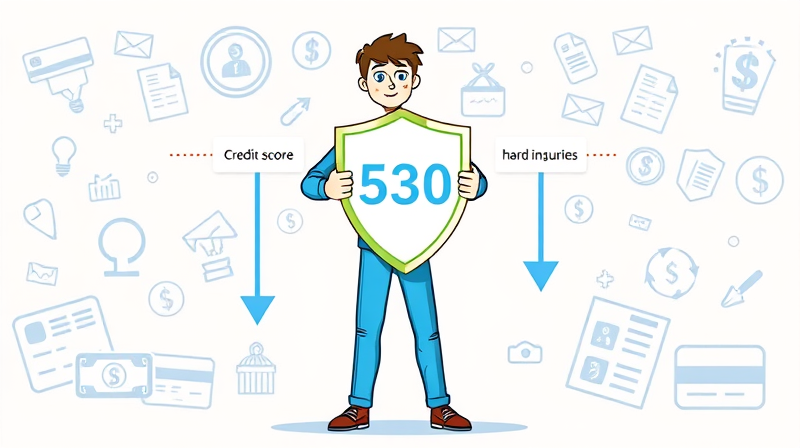
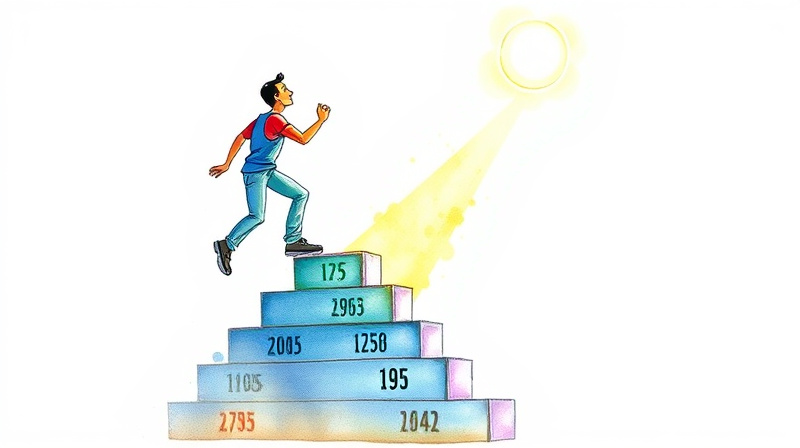
  • Credit Score: Aim for a score of 670 or higher for optimal rates on loans and rewards cards.
  • Income and Debt-to-Income Ratio: Steady income and a low DTI boost approval chances.
  • Term Lengths: Personal loans offer terms from 24 to 84 months, allowing flexibility in repayment.

By improving your credit and managing debt, you can access more favorable terms.

Remember to compare offers from multiple lenders and cards to find the best fit.

Conclusion: Empowering Your Financial Journey

Choosing between a personal loan and a credit card is not just about numbers; it's about aligning with your life goals.

Whether you seek predictability for a major expense or flexibility for daily spending, the right choice can enhance your financial health.

Embrace the discipline needed to use these tools wisely, and you'll build a stronger financial future.

Start by assessing your goals today, and take that first step toward greater financial empowerment.

Matheus Moraes

About the Author: Matheus Moraes

Matheus Moraes, 33 years old, is a writer at find-guru.com, specializing in personal credit, investments, and financial planning.