Search
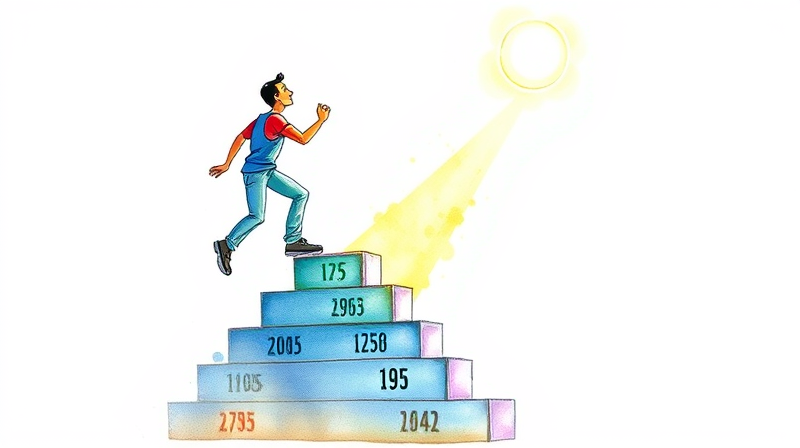
Your credit score is more than just a number; it's a gateway to financial opportunities.
A single late payment can feel like a setback, but with the right strategies for recovery, you can overcome it.
This article will guide you through understanding the impacts and taking control of your credit health.
Payment history accounts for 35% of your FICO score, making it the most critical factor in your credit profile.
When a payment is missed, the consequences can be swift and severe, affecting everything from loan approvals to interest rates.
However, the journey to repair is paved with actionable steps and hope.
By implementing consistent habits for credit improvement, you can rebuild your score and secure a brighter financial future.
Late payments are a primary reason for credit score declines.
The severity depends on how late the payment is and your prior credit history.
A 30-day late payment can cause a noticeable drop, especially for those with excellent credit.
This mark stays on your report for 7 years from the delinquency date, but its impact diminishes after about two years.
As delinquency stages progress, the damage escalates.
Here’s a breakdown of common stages:
For example, missing one mortgage payment can average a 52.58-point drop.
Four missed payments might reach 98.75 points in some cases.
Multiple late payments have a compounding effect, but the biggest drop usually comes from the first miss.
Post-90-day issues like foreclosure have minimal additional impact.
Scores can rebound substantially after one year due to budget relief from resolved debts.
Recent trends show delinquencies at 5-year highs, signaling ongoing financial struggles.
In states like Georgia, scores have fallen amid high delinquency rates.
While late payments linger for seven years, their effect fades over time.
Significant recovery is possible within 1-2 years with consistent habits.
Noticeable improvements can be seen in 3-6 months with dedicated effort.
Here’s a timeline to guide your expectations and actions:
Even with a strong history, one or two lates can be outweighed by positive behavior.
Perfection isn't necessary; no one has a perfect score even with flawless payments.
Rebuilding requires patience and persistence, but the rewards are substantial.
When you realize a payment is late, act swiftly to minimize damage.
Immediate actions can prevent further penalties and start the recovery process.
Here are the key steps to take right away:
Communicating with creditors can often lead to solutions like payment plans or forbearance.
This is especially effective if you have a good standing history with them.
Dispute any errors you find on your reports to ensure accuracy.
Rebuilding credit requires sustained effort over time.
Focus on these core habits to see lasting improvements:
Budgeting tools like YNAB can help assign dollars to bills effectively.
Goodwill letters are effective for one-time lates if you have a good history with creditors.
Monitoring your progress weekly can keep you motivated and on track.
Proactive measures can save you from future stress and financial strain.
Implement these tips to stay ahead of due dates:
Building a habit of regular financial check-ins can prevent oversights.
This approach ensures you’re always prepared for upcoming bills.
To put everything in perspective, here’s a table outlining the typical impacts of late payments based on delinquency stage:
This table helps visualize the progression and emphasizes the importance of early action.
Additional insights include the dominance of FICO scores over VantageScore.
Debt relief consultations can be beneficial if you're struggling with multiple payments.
Free monitoring services like Experian alerts keep you informed of changes.
Here are some key statistics to remember:
Late payments are a common challenge, but they don't define your financial future.
By taking immediate and sustained action, you can navigate the recovery process effectively.
Remember, credit repair is a marathon, not a sprint.
With patience and the right strategies, you can restore your score and open doors to new opportunities.
Stay informed, stay proactive, and believe in your ability to recover and thrive.
References