Search
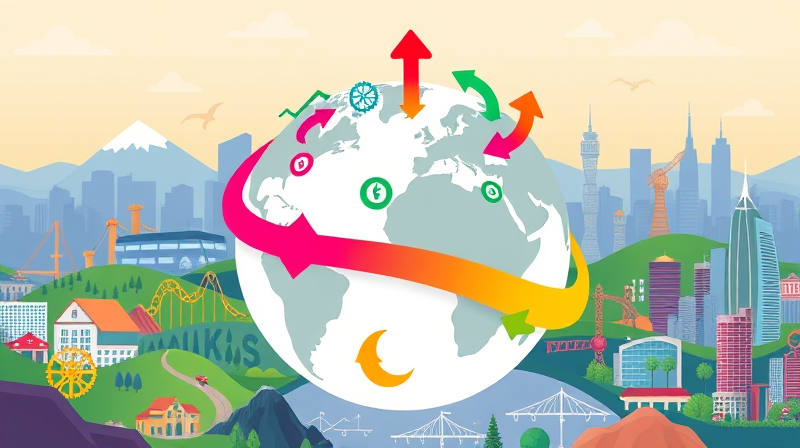
As we peer into 2026, the global economy faces a pivotal moment, balancing resilience with emerging headwinds that demand our attention and action.
This outlook is not just about numbers; it's a story of human endeavor, where every percentage point of growth translates into jobs, opportunities, and livelihoods across the world.
By understanding the forces at play, we can navigate uncertainties with confidence and harness the potential for positive change in our personal and professional lives.
The forecasts for 2026 paint a picture of moderate expansion, but one that falls short of pre-pandemic vigor, signaling a need for strategic adaptation.
Major institutions project global GDP growth in 2026 to range from 2.7% to 3.1%, which is below the pre-pandemic average of 3.2%.
This indicates a subtle loss of momentum despite the economy's demonstrated resilience in recent years.
Key forecasts include UNCTAD's estimate of 2.7%, potentially rising to 2.9% by 2027, driven by factors like subdued investment and climate shocks.
The IMF projects 3.1%, but warns of downward medium-term risks that could dampen economic dynamism.
Goldman Sachs offers a more optimistic view with 2.8% growth, citing US outperformance as a primary driver.
Meanwhile, the OECD predicts a slowdown to 2.9% before a slight pickup in 2027, highlighting the fragile nature of recovery.
Regional disparities will shape the global landscape, with some areas thriving while others face significant challenges.
The United States is expected to see growth around 2.6%, bolstered by tax cuts and easier financial conditions, though this varies by source.
China's economy may moderate to 4.8%, with robust manufacturing exports offsetting weak domestic demand and a persistent property sector drag.
In the Eurozone, growth is projected at 1.3%, supported by German fiscal stimulus and strong performance in countries like Spain.
The UK anticipates a rebound, with forecasts around 1.4%, despite ongoing affordability issues and wage pressures.
Emerging and developing economies show mixed trends, with some outperforming due to less exposure to US tariffs, while others slow from tariff unwind effects.
Positive drivers are emerging that could fuel growth, but they are countered by significant negative forces that require careful management.
Easing inflation and monetary loosening are key positives, with global headline inflation expected to drop to 3.1%.
Policy support, such as US tax cuts and China's fiscal expansion, provides a much-needed boost to economic activity.
Sector strengths, including AI investment and manufacturing exports, offer pockets of resilience in an otherwise uncertain environment.
However, headwinds loom large, threatening to derail progress if not addressed proactively.
These forces combined suggest that 2026 will be a year of cautious optimism, where strategic risk management becomes paramount for businesses and governments alike.
Central banks are expected to converge on lower interest rates, providing some relief but also signaling ongoing challenges.
The US Federal Reserve may cut rates by 50 basis points to 3-3.25%, as inflation resolves toward target levels.
In the UK, rates could fall to 3% by the third quarter, easing cost-of-living pressures for households.
Norway might see a 50 basis point cut to 3.5%, while the European Central Bank holds steady, reflecting regional divergences.
Inflation is projected to moderate globally, with developed markets aligning with targets, but food and energy costs remain volatile.
This monetary easing could stimulate investment and consumption, but it must be balanced against the risk of renewed inflationary pressures.
The year 2026 is shaping up to be one of rebalancing and divergence, with implications for long-term economic health.
A major theme is managing the downside in a lower gear, where growth half a point below pre-pandemic norms means fewer jobs and tighter budgets.
Rebalancing efforts, such as China's shift toward domestic demand and eurozone fiscal adjustments, will be critical for sustainable growth.
Divergences are evident, with US optimism contrasting mixed signals from Europe and China, and developing economies potentially outpacing emerging ones.
Risks are skewed to the downside, according to the IMF, with potential shocks from commodity volatility, external events, and ongoing tariff tensions.
For individuals and businesses, this means focusing on agility and resilience, leveraging strengths like AI and diversification to weather storms.
Practical steps include monitoring policy changes, diversifying investments, and building buffers against potential shocks.
By staying informed and proactive, we can turn challenges into opportunities, fostering a more inclusive and stable global economy.
Remember, economic cycles are not just about numbers; they reflect our collective efforts to build a better future.
Embrace this outlook as a call to action, where informed decisions can lead to meaningful progress in 2026 and beyond.
References