Search

Imagine having a GPS for your finances, one that adapts to your dreams and navigates life's twists with precision.
This is the power of a personalized financial road map, a dynamic blueprint that turns vague aspirations into actionable steps.
By blending traditional wisdom with cutting-edge technology, you can create a plan that feels less like a chore and more like an inspiring adventure toward security and growth.
In today's fast-paced world, financial planning often seems daunting or rigid, but it doesn't have to be.
With interactive planners at your fingertips, you can craft a road map that evolves with you, making the process engaging and deeply personal.
This article will walk you through a step-by-step guide, enriched with practical tools and insights, to help you build a financial future that resonates with your values and goals.
A financial road map is more than just a budget or savings plan; it's a holistic strategy that aligns your money with your life's purpose.
It transforms abstract numbers into a clear narrative, guiding you from where you are to where you want to be.
Whether you're saving for a dream vacation, paying off debt, or planning for retirement, a personalized approach ensures that every dollar serves a meaningful role.
By incorporating interactive elements, this road map becomes a living document that responds to changes in your income, expenses, and aspirations.
It empowers you to make informed decisions, reduces stress, and fosters a sense of control over your financial destiny.
Think of it as your financial companion, always ready to adapt and inspire progress.
Creating a financial road map involves a series of intentional steps, each building on the last to form a cohesive strategy.
Here’s a framework you can customize using interactive tools to suit your unique circumstances.
These steps form a cyclical process that encourages continuous improvement and adaptation.
By leveraging digital planners, you can automate tracking and receive real-time insights, making the journey smoother and more engaging.
To anchor your road map, consider these essential benchmarks that provide clarity and direction.
Aim to allocate 20% of your income to savings and debt repayment, as this fosters consistent growth and stability.
For emergency funds, target 3-6 months of living expenses to cushion against unforeseen challenges.
The 50/30/20 budget rule is a practical guideline: 50% for needs, 30% for wants, and 20% for savings or debt.
In retirement planning, maximize contributions to accounts like 401(k)s and factor in employer matches to boost your nest egg.
These numbers aren't rigid rules but starting points that you can tweak with interactive tools to fit your personal scenario.
They serve as motivational milestones, helping you measure progress and celebrate achievements along the way.
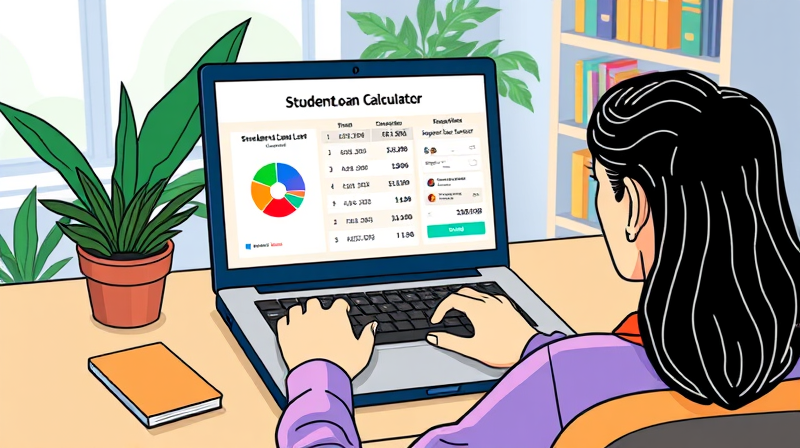
Modern technology offers a wealth of free and low-cost tools that make financial planning interactive and intuitive.
These planners enable customization, simulations, and visualizations, transforming abstract data into actionable insights.
Below is a table highlighting some of the top tools, categorized by their key features and best uses.
These tools cater to various needs, from simple budgeting to complex investment analysis.
By choosing ones that align with your goals, you can enhance engagement and streamline your financial management.
For instance, if debt reduction is a priority, tools like Debt Payoff Planner offer motivating visual cues.
Similarly, for retirement planning, Empower provides scenario-based simulations that account for taxes and inflation.
Experiment with different apps to find the perfect fit for your journey.
Adopting a personalized road map with interactive planners yields numerous advantages that go beyond mere number-crunching.
It fosters a sense of ownership and empowerment, turning financial planning into a proactive and rewarding habit.
By integrating these practices, you can navigate challenges like unrealistic goals or life changes with grace and flexibility.
Regular reviews keep your plan dynamic, ensuring it grows with you rather than holding you back.
Building a personalized financial road map is a transformative act of self-care and foresight.
It shifts your mindset from scarcity to abundance, where every decision contributes to a larger vision of security and freedom.
With interactive planners, this process becomes less about restrictions and more about creative possibilities.
Start today by taking one small step, whether it's defining a goal or exploring a new tool.
As you progress, celebrate milestones and adjust as needed, remembering that flexibility is key to long-term success.
Your financial future is not set in stone; it's a canvas waiting for your unique brushstrokes.
Let this road map be your guide, inspiring you to craft a life rich in purpose and peace of mind.
References