Search

In the world of personal finance, your credit utilization ratio holds immense power over your financial destiny. This simple percentage can shape your borrowing costs, influence loan approvals, and open doors to new opportunities. Mastering it is not just about numbers; it's about gaining control and building trust with lenders.
Imagine a tool that instantly communicates your financial responsibility to every potential creditor. That's what your credit utilization ratio does. It's a direct reflection of how you manage revolving credit, and optimizing it can lead to significant improvements in your credit health.
Many people overlook this factor, focusing solely on making payments on time. However, credit utilization accounts for up to 30% of your FICO score, making it a critical element to manage. By understanding and applying the strategies in this article, you can transform this ratio from a liability into an asset.
At its core, the credit utilization ratio is the percentage of your total available revolving credit that you are currently using. It applies to credit cards, lines of credit, and other revolving accounts where you can borrow up to a limit and repay over time.
Calculating this ratio is straightforward. You add up all your credit card balances, then divide by the total of all your credit limits. Multiply by 100, and you have your utilization percentage. For example, if you have a $500 balance on a $2,000 limit card, your utilization is 25%.
This calculation helps lenders assess how much of your available credit you're using. A low ratio suggests that you're not overly reliant on credit, while a high ratio can signal financial stress.
It's important to distinguish between per-card utilization and overall utilization. Per-card utilization looks at each account individually, while overall utilization considers all your revolving accounts combined.
Credit scoring models pay attention to both. Even if your overall utilization is low, having one card maxed out at 100% can negatively impact your score. This is because it shows potential reliance on a single source of credit.
To maintain a healthy score, aim to keep both per-card and overall utilization in check. Spreading your balances across multiple accounts can help, but be mindful of opening too many new cards, which can affect other factors.
Credit utilization is a major factor in credit scoring, accounting for approximately 20-30% of your score. In the FICO model, it makes up 30%, making it the second most important factor after payment history.
High utilization is seen by lenders as a sign of financial instability. It indicates that you might be struggling to manage debt, which increases your perceived risk. Conversely, low utilization reflects responsible credit management and can boost your score.
The effects are immediate. As soon as new balances are reported to credit bureaus, your score can change. This means that paying down balances quickly can lead to rapid improvements.
Financial experts widely recommend keeping your credit utilization below 30%. This threshold is where negative impacts start to become more pronounced, and staying below it can help maintain or improve your credit score.
Here's a breakdown of different utilization ranges and their typical effects:
A counterintuitive fact is that a 0% utilization rate can be worse than having a small balance. Credit models need some activity to assess your habits, so maintaining a low but non-zero balance, like 1%, can be beneficial.
Those with the highest credit scores often have utilization in the low single digits. This demonstrates consistent, responsible credit use without overreliance.
Several variables can affect how much your utilization ratio impacts your score. These include the length of your credit history, the number of cards you have, and your overall credit profile.
Timing is also crucial. Credit bureaus typically report balances once a month, so changes in utilization only affect your score when new information is submitted. Paying off balances before the reporting date can help lower your utilization quickly.
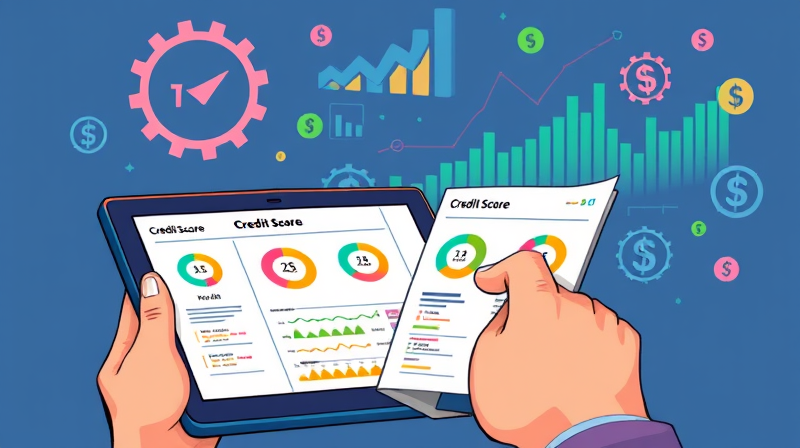
To monitor this, regularly check your credit reports and use financial tools to track when balances are reported. Awareness of these cycles can empower you to make timely payments.
Improving your credit utilization ratio doesn't have to be daunting. With a few strategic moves, you can lower your ratio and boost your credit score.
Additional tactics include setting up automatic payments, using balance transfer cards strategically, and seeking advice from financial professionals if you're struggling with high debt.
The good news is that the negative impact of high utilization is reversible. Once you lower your balances and they are reported to the credit bureaus, your score can improve quickly.
Typically, it takes one billing cycle for new balances to be reported. So, if you pay down debt, you might see improvements in your score within a month or two. Consistency is key; maintaining low utilization over time will yield the best results.
Remember, credit scoring models have no memory for past utilization once new data is reported. This means you can bounce back from high utilization by taking corrective action promptly.
While credit utilization is crucial, it's part of a broader picture. Your credit score is influenced by several other factors:
Balancing all these elements is essential for a strong credit profile. Focus on timely payments, diversify your credit, and avoid unnecessary inquiries to complement your utilization management.
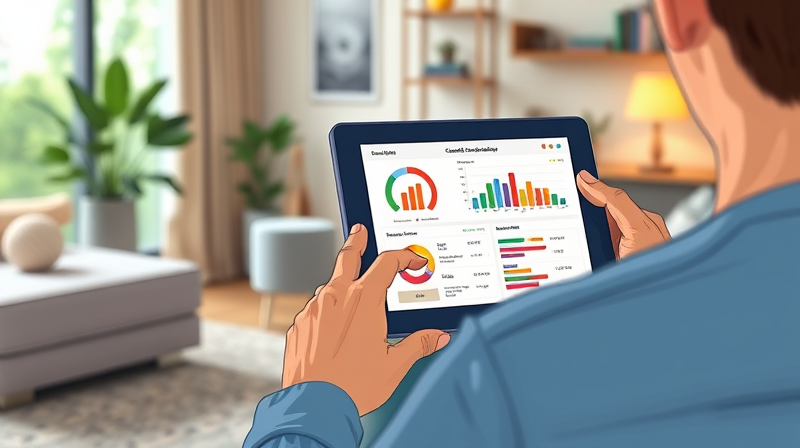
Leveraging available tools can make managing your credit utilization easier and more effective.
By using these resources, you can stay informed and proactive about your credit health.
To reinforce the importance of credit utilization, consider these data points:
These insights highlight why managing your ratio should be a priority in your financial plan.
Optimizing your credit utilization ratio is more than a financial tactic; it's a step towards greater financial freedom. By keeping this ratio low, you signal to lenders that you are a responsible borrower, opening doors to better interest rates and more opportunities.
Start today by calculating your current utilization, setting goals to reduce it, and implementing the strategies discussed. With persistence and awareness, you can turn this powerful metric into a tool for building the credit score you deserve.
Your credit journey is unique, but the principles of good utilization apply to everyone. Embrace them, and watch as your financial confidence grows alongside your credit score. Remember, consistent action leads to lasting change in your financial life.
References