Search

Embarking on your financial journey can feel daunting, but understanding credit is your first crucial step towards stability and growth.
Credit is more than just a number; it's a powerful tool that shapes your opportunities and security.
By mastering the basics, you can unlock a world of possibilities and build a solid foundation for your future.
This guide will walk you through everything you need to know to start building credit responsibly.
From how credit cards work to improving your credit score, we'll cover it all.
Credit allows you to borrow money from lenders to make purchases.
It functions as a short-term loan with a set credit limit.
There are two main types of credit that you should know.
For beginners, credit cards are often the best entry point.
They offer flexibility and can help you establish a credit history.
Understanding these types is essential for making smart choices.
Credit cards come with a credit limit set by the issuer.
This is the maximum amount you can borrow at any time.
Each month, you'll receive a statement detailing your transactions.
Key components include the statement balance and minimum payment.
Paying the full balance by the due date avoids interest.
This is a smart habit to develop early on.
It helps you avoid unnecessary costs and build positive credit.
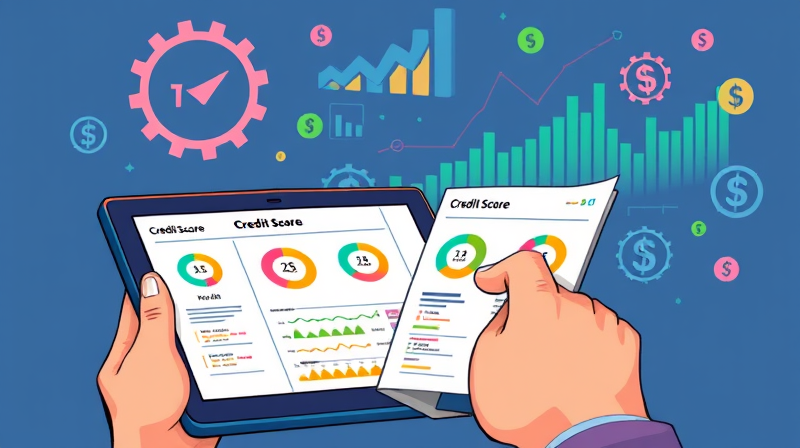
A credit score is a three-digit number summarizing your creditworthiness.
It typically ranges from 300 to 850, with higher scores being better.
Scores are based on factors from your credit report.
Payment history is the most significant factor in your score.
Other elements include amounts owed and new credit inquiries.
Keeping your credit utilization ratio under 30% is crucial for improvement.
This table shows how scores affect your financial options.
Regular monitoring can help you stay on track.
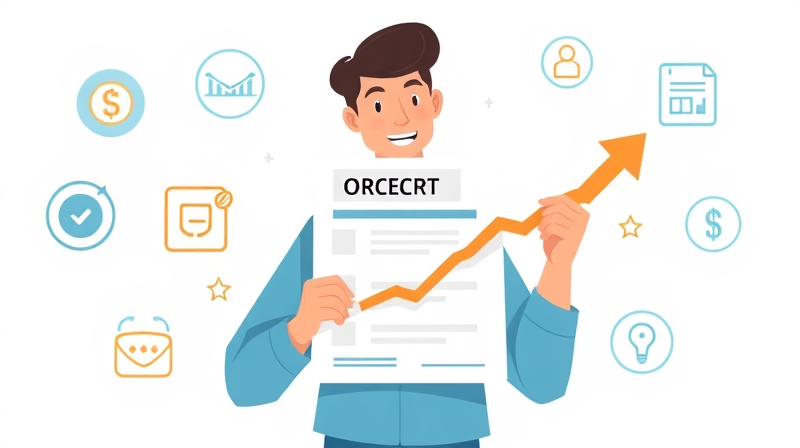
A good credit score opens doors to better financial opportunities.
It can save you hundreds of thousands over a lifetime.
Here are some key benefits of maintaining a strong credit profile.
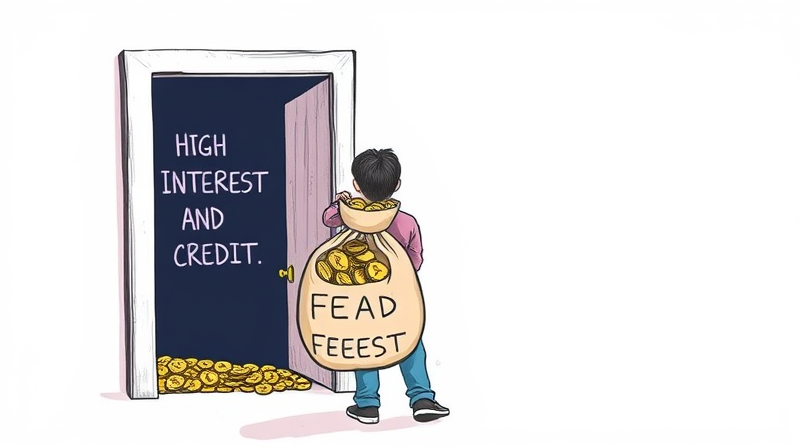
Poor credit, on the other hand, can limit your choices.
It may lead to higher costs and reduced access to credit.
Building credit requires consistent effort and discipline.
Starting small is key for beginners.
Consider a secured or student credit card to begin.
Pay your balance in full each month to build a positive history.
Keeping your credit utilization low is vital for score growth.
Here are some actionable tips to get started.
Consistent effort will help your score grow over time.
Understand your billing cycle and statement balance to stay informed.
Debt management is essential for long-term financial health.
Avoid the pitfalls of only making minimum payments.
This can trap you in a cycle of revolving debt.
Instead, aim to pay off balances as quickly as possible.
Be aware of common fees and penalties on credit cards.
Stay vigilant by reviewing statements and tracking spending.
Monitor your credit report regularly to catch issues early.
Now that you understand the basics, it's time to act.
Start by assessing your current financial situation.
List any existing debts and plan to pay them down.
Choose a credit card that aligns with your needs and goals.
Apply thoughtfully, providing accurate income information.
Here are some immediate steps to kickstart your journey.
Remember, good credit is a stepping stone to wealth and security.
With patience and discipline, you can achieve financial health.
Use credit cards for convenience, not cash advances to maximize benefits.
References