In the dynamic landscape of entrepreneurship, securing funding is often the first major challenge. Establishing robust business credit can unlock doors to capital and growth that personal finances cannot.
This guide is designed to walk you through every critical phase of building credit for your startup. From legal setup to scaling efforts, we provide actionable insights to help you succeed.
A strong credit profile begins with proper planning. Legal entity formation is the cornerstone that separates your business from personal liabilities.
Many founders overlook this step, but it is vital for long-term financial health.
Without it, your personal assets could be at risk in case of business debts.
Building credit early can empower your startup to seize opportunities and navigate challenges with confidence.
It allows you to access funds without draining personal savings or relying solely on investors.
The Step-by-Step Roadmap to Building Business Credit
Follow these sequential steps to build a solid business credit foundation.
Each phase builds upon the previous, ensuring steady progress.
- Register and Legally Form Your Business: Choose an LLC or corporation to separate personal and business finances. Avoid sole proprietorships for optimal credit building. File with your state's Secretary of State and obtain necessary licenses.
- Obtain Key Identifiers: Secure an Employer Identification Number (EIN) from the IRS for free online. Get a D-U-N-S Number from Dun & Bradstreet to enable credit reporting with major bureaus.
- Open a Business Bank Account and Demonstrate Stability: Maintain a balance of $25,000 or more for some fintech cards. Show consistent revenue through bank statements or invoices. Aim for 6 to 12 months of business activity to build credibility.
- Build Initial Tradelines That Report to Bureaus: Start with vendors like Uline or Quill that offer net-30 terms and report to credit bureaus. Make small purchases and pay early or on-time to build your Paydex score, which ranges from 0 to 100.
- Apply for Starter Credit Products: Consider business credit cards that require no personal guarantee if you have excellent personal credit or sufficient bank balances. Secured or prepaid cards can also help establish history without full approval barriers.
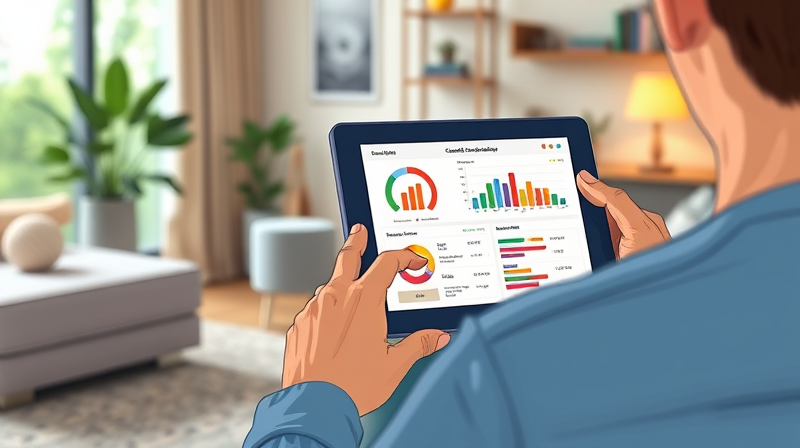
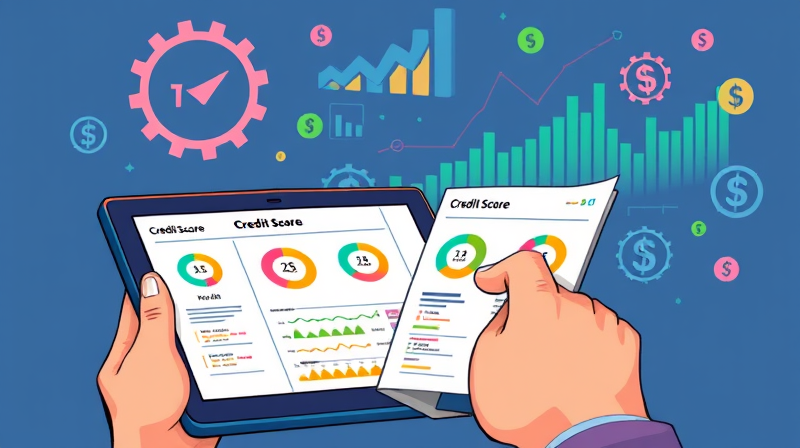
- Monitor and Expand Your Credit: Regularly check reports from Equifax, Experian, and Dun & Bradstreet. Add more tradelines or credit cards as your profile strengthens. Use a business plan to offset a short credit history.
- Scale to Advanced Financing: With a strong credit score, unlock opportunities like SBA loans, equipment financing, and higher vendor limits. Aim for 0% APR cards and better terms as your business grows.
This roadmap provides a clear path, but understanding the requirements is equally important.
Key Requirements and Approval Factors
Startups must meet specific criteria to qualify for business credit.
The table below outlines essential categories and details.
Meeting these requirements sets the stage for accessing credit.
However, challenges are common for new businesses.
Benefits of Building Business Credit
Establishing business credit offers numerous advantages that can propel your startup forward.
Liability protection is a key benefit, shielding your personal assets from business debts.
- Capital Access: Gain entry to vendor terms, SBA loans, and lines of credit based on your business's merits.
- Better Terms: Enjoy lower interest rates, higher credit limits, and rewards like 0% APR introductory offers.
- Startup-Friendly Options: Fintech companies evaluate funding and cash flow over traditional revenue, making it easier for new firms.
- Separation of Finances: Keep personal and business finances distinct, which simplifies accounting and tax reporting.
These benefits make the effort worthwhile, but it's essential to be aware of potential hurdles.
Common Challenges and How to Overcome Them
Startups often face obstacles like short credit history or low revenue.
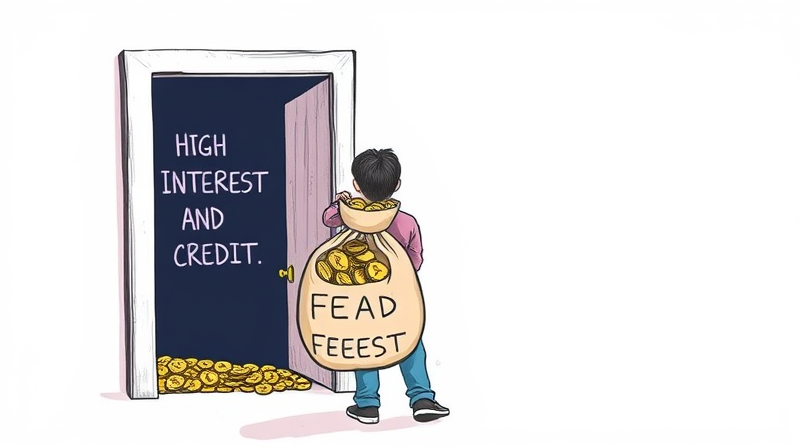
Personal credit issues can also drop approval odds significantly.
- Short History: Counter by maintaining a healthy bank balance or providing investor documentation to show stability.
- Low Revenue: Use secured credit options or focus on building vendor relationships that don't require high income proof.
- Poor Personal Credit: Work on improving your personal score before applying, or seek alternatives like secured business cards.
- Lack of Tradelines: Start small with reporting vendors and pay consistently to build your profile over time.
Addressing these challenges early can smooth your path to credit success.
Frequently Asked Questions
Many founders have questions about building business credit.
Here are answers to some common queries.
- Can I get credit with no revenue? Yes, through personal guarantees and excellent personal credit, but list projections cautiously.
- Is a business plan required? No, but it can help demonstrate responsibility and offset weaknesses in your application.
- What's the fastest way to build credit? Start with an EIN, then establish tradelines and credit cards; scores emerge with active reporting.
- What is the starting business credit score? None until the first accounts report to bureaus via your EIN or D-U-N-S Number.
- Are there alternatives to traditional cards? Yes, consider business lines of credit, secured cards, or using personal cards initially with caution.
Understanding these FAQs can clarify misconceptions and guide your strategy.
Alternatives to Traditional Business Credit Cards
If standard credit cards aren't an option, explore these alternatives to build your credit history.
- Business Lines of Credit: Offer flexibility but typically require revenue or a longer business history.
- Secured Cards: Easy entry points that help establish credit without stringent approval criteria.
- Personal Cards for Business Use: Can be used initially, but risk mixing finances and may not build business credit directly.
- Vendor Credit: Start with net-30 accounts from suppliers that report to credit bureaus.
Building business credit is a journey that requires patience and persistence.
Start with the basics and gradually scale your efforts as your company grows.
By following this roadmap, you can create a strong financial foundation that supports long-term success.
Remember, consistent monitoring and timely payments are key to maintaining a healthy credit profile.
Embrace the process, and watch your startup thrive with the financial flexibility it deserves.